The Benefits of Spinal Decompression: How It Promotes Recovery and Pain Alleviation
Spinal decompression therapy has become a remarkable approach to easing discomfort and advertising healing. It runs by gently alleviating stress on the spine, which can result in boosted blood flow and decreased inflammation. These benefits are necessary for healing from various spinal conditions. The complete scope of its advantages and the different populaces that might benefit from this treatment warrant additionally exploration. What else can this therapy offer?
Understanding Spinal Decompression Therapy
Spinal decompression treatment is a non-invasive therapy alternative developed to minimize pressure on the spinal column and bordering structures. This therapy mainly targets conditions such as herniated discs, sciatic nerve pain, and chronic neck and back pain. By gently extending the spine, it aims to produce unfavorable stress within the discs, which can aid to rearrange protruding discs and ease nerve compression. Patients often seek this approach as an alternative to surgical interventions, seeking relief without the associated risks and recuperation time.
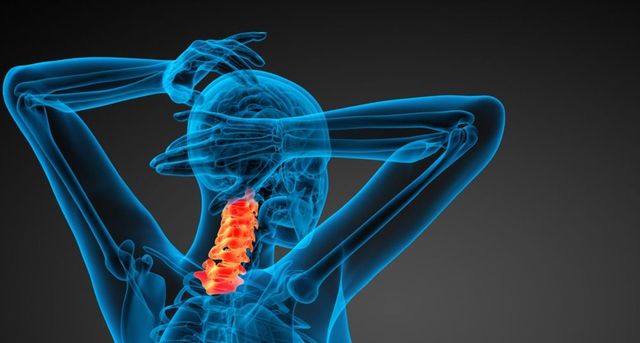
Mechanism of Activity: How Spinal Decompression Works
Spinal decompression therapy operates via a number of vital devices. It lowers pressure on spinal discs, which can alleviate discomfort and advertise healing. Furthermore, improved blood flow and nerve origin decompression add to enhanced overall spinal health and wellness.
Stress Decrease on Discs
When stress on the intervertebral discs rises because of misalignment or injury, it can cause discomfort and discomfort. Spinal decompression treatment intends to ease this stress with a regulated, gentle stretching of the spine. By developing negative stress within the discs, the therapy promotes the repositioning of herniated or bulging discs, permitting them to go back to their natural state. This reduction in pressure aids to alleviate nerve compression, which can be a source of pain. As the discs are unwinded, they can soak up much more nutrients and fluids, promoting healing. This mechanism not just aids in reducing discomfort yet additionally boosts the overall feature of the spinal column, supplying clients with a path towards recuperation and enhanced high quality of life.
Improved Blood Blood Circulation
The procedure of spinal decompression not just relieves stress on the intervertebral discs but likewise boosts blood circulation throughout the back and bordering tissues. By producing a negative pressure setting within the spinal column, spinal decompression therapy helps with the increase of nutrient-rich blood to the influenced areas. This boosted blood circulation provides crucial oxygen and nutrients while promoting the removal of metabolic waste items. The recovery procedure is accelerated, sustaining cells fixing and lowering inflammation. Boosted blood flow likewise contributes to the overall health and wellness of spinal structures, including tendons and muscular tissues, which can additionally alleviate discomfort. Spinal decompression offers as an important device for fostering boosted flow, required for optimal recuperation and long-lasting spinal wellness.
Nerve Origin Decompression
Nerve origin decompression is a basic facet of spinal decompression therapy, targeting the relief of stress on spinal nerves. This therapeutic method employs mechanical or hand-operated techniques to create room within the spine, therefore minimizing the compression on nerve roots that can lead to feeling numb, weakness, or discomfort. By gently stretching the spinal column, it promotes the rehydration of intervertebral discs and improves blood flow to impacted locations. This boosted flow assists in the shipment of vital nutrients and oxygen to hurt tissues, helping in the healing process. As pressure lessens, nerve function frequently boosts, leading to decreased discomfort and boosted mobility for individuals struggling with problems like herniated discs or spinal constriction. Generally, nerve root decompression plays a vital function in spinal wellness.
Discomfort Alleviation Advantages of Spinal Decompression
Although several individuals look for various treatments for chronic pain in the back, spinal check over here decompression treatment sticks out as an effective option. This non-surgical strategy intends to reduce pain by gently stretching the back, which can relieve pressure on intervertebral discs and surrounding cells. Consequently, it facilitates the retraction of herniated or protruding discs, advertising a much more favorable environment for healing.
Patients typically report substantial pain alleviation adhering to spinal decompression therapy, as it can boost blood flow and nutrient exchange in the influenced areas. This raised flow helps decrease inflammation and increases the body's natural recovery processes. Additionally, the treatment may relieve involved signs such as radiculopathy, sciatic nerve pain, and muscle mass tension, adding to a general improvement in lifestyle (Family Chiropractic). By giving targeted alleviation, spinal decompression treatment acts as an important option for those looking for effective management of chronic pain in the back
Enhancing Movement and Adaptability
As people undertake spinal decompression treatment, they commonly experience improved wheelchair and versatility in enhancement to pain alleviation. This therapy works by delicately stretching the spine, which minimizes stress on the surrounding nerves and spinal discs. As the discs restore their natural shape and setting, people often report enhanced variety of motion and reduced rigidity in the back and neck.
This newfound movement permits them to participate in daily activities more pleasantly, whether it be bending, lifting, or participating have a peek at this website in physical exercises. Boosted flexibility can additionally add to better pose, which additionally alleviates stress on the spine.

Supporting Natural Recovery Processes
Spinal decompression therapy not only relieves pain yet also promotes the body's all-natural recovery processes. By gently stretching the spinal column, this therapy develops negative pressure within the intervertebral discs, which can promote the activity of nutrients, oxygen, and hydration to broken tissues. This influx of critical components motivates cellular repair work and regrowth, enhancing overall spinal health and wellness.
Additionally, spinal decompression helps to reduce nerve compression, which can result in inflammation and discomfort. As stress is soothed from surrounding nerves, the body can begin to recover itself better - Chiropractor. Boosted blood circulation throughout the spinal area additional assistances recovery by providing crucial nutrients and eliminating waste items
In addition, the decrease of stress in the spinal frameworks can lead to reduced muscular tissue spasms and enhanced overall function. Ultimately, spinal decompression treatment fosters an environment where the body can bring back balance, advertising lasting healing and health.
That Can Profit From Spinal Decompression Therapy
Who stands to acquire from spinal decompression therapy? People dealing with persistent back discomfort, herniated discs, or sciatic nerve pain can experience significant relief from this treatment. Individuals with degenerative disc illness or spinal constriction might additionally locate beneficial outcomes, as decompression treatment aims to alleviate pressure on spinal nerves. Additionally, those recovering from spinal surgery or injuries can use this treatment to enhance recovery and restore flexibility.
Athletes and active individuals experiencing muscular tissue stress or disc-related discomfort might include spinal decompression as component of their healing routine. Furthermore, older adults with age-related spinal concerns can take advantage of the mild traction associated with this treatment. Overall, spinal decompression therapy is a flexible treatment choice ideal for a varied series of people seeking non-invasive discomfort alleviation and improved spinal health.
Regularly Asked Inquiries
The length of time Does a Typical Spinal Decompression Session Last?
A common spinal decompression session lasts between 30 to 45 mins. The period may vary based upon specific needs and treatment procedures, guaranteeing that individuals obtain suitable care customized to their particular problems and feedbacks.
Are There Any Adverse Effects of Spinal Decompression Therapy?
Spinal decompression therapy may trigger light negative effects such as temporary pain, muscle mass convulsions, or pain. These effects are commonly brief, and most individuals experience substantial relief and improvement in their problem over time.
Can Spinal Decompression Be Done in the house?
Spinal decompression can be performed in the house utilizing details tools or methods, such as inversion tables or stretching exercises. Consulting a healthcare professional for support is recommended to ensure security and performance during the procedure.
The Amount Of Procedure Are Generally Required for Effective Outcomes?
Commonly, people might call for 10 to 20 sessions of spinal decompression treatment to accomplish effective outcomes. The precise number can differ based on specific problems, treatment actions, and details referrals from health care specialists.
Is Spinal Decompression Safe for Expecting Women?
Spinal decompression is usually taken into consideration risk-free for pregnant females, yet appointment with a medical care specialist is crucial. Specific scenarios differ, and professional support warranties suitable treatment tailored to the particular needs of the expecting mom.
Spinal decompression therapy has emerged as a notable approach to minimizing pain and advertising healing. By developing a negative stress setting within the spinal column, spinal decompression treatment facilitates the increase of nutrient-rich blood to the impacted areas. Nerve origin decompression is a basic element of spinal decompression therapy, targeting the reduction of pressure on spinal nerves. As individuals go through spinal decompression therapy, they frequently experience improved mobility and adaptability in addition to discomfort relief. People with degenerative disc disease or spinal stenosis might also visite site discover helpful results, as decompression treatment intends to ease stress on spinal nerves.